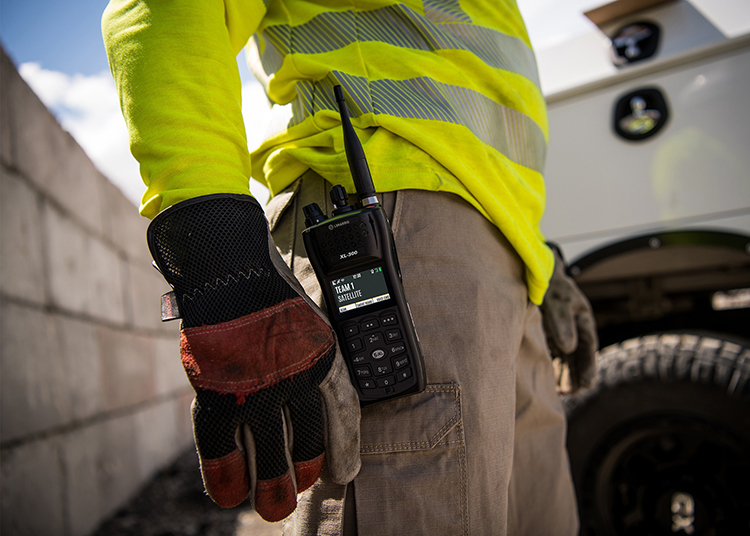
We are in the midst of a large multi-state project for a major utility customer, installing more than 2,600 mobile radios across 46 sites. This project and other past utility projects have made it clear that utility crews work in demanding environments where reliable communication is essential. Field teams need to stay connected with dispatch and other crews to coordinate work safely and efficiently, whether responding to a power outage, repairing damaged water lines, or performing routine maintenance.
When severe weather or equipment failures disrupt service, communication becomes even more important. Two-way radios help utility companies share real-time updates and respond to changing conditions without unnecessary delays.
Reliable Communication Across the Field
Utility crews are often spread across large service areas, working at substations, along roadways, or in remote locations. Two-way radios provide instant push-to-talk communication.
Unlike cell phones, radio systems can provide dedicated communication channels that help teams stay connected when cellular networks are congested or unavailable, depending on the system’s design and coverage.
This is especially valuable when multiple crews are working on the same issue. Employees can share updates and coordinate next steps while keeping dispatch informed of their progress.
Supporting Faster Emergency Responses
Power outages, severe storms, and equipment failures often require utility companies to coordinate several teams at once. Dispatchers need to assign available crews and receive updates from employees working at different locations.
Two-way radios help utility teams:
- Coordinate repairs and restoration efforts in real time
- Share information about equipment failures and site conditions
- Communicate changing assignments and work priorities
- Request assistance when unexpected hazards arise
- Keep dispatch informed of crew status and progress
Some radio systems also support emergency alerts, priority communications, and location tracking. When available and properly configured, these features can help dispatchers identify urgent situations and coordinate an appropriate response.
Improving Field Safety and Coordination
Utility work can involve electrical hazards, heavy equipment, elevated work areas, and changing weather conditions. Crews need a dependable way to communicate safety updates and coordinate tasks when working apart from each other.
Two-way radios make it easier to report potential hazards and communicate with supervisors without leaving the work area. Durable radio equipment, clear audio, and long battery life can also support employees working long shifts outdoors. Features such as noise cancellation, water resistance, and hands-free accessories can help crews communicate more effectively.
Connecting Field Crews with Central Dispatch
Communication is most effective when field employees and dispatchers have a shared understanding of ongoing operations. Dispatch serves as a central point for coordinating crews and monitoring developments across a service area.
Modern radio systems can support communication between portable radios, vehicle-mounted equipment, repeaters, and dispatch consoles. For larger utility operations, systems that support multiple talk groups or simultaneous conversations can help prevent routine communications from interfering with urgent updates. The setup depends on the utility’s coverage requirements and daily operating needs.
Choosing the Right Communication Solution
Every utility company has different communication requirements.
When evaluating two-way radio solutions, companies should consider coverage across their service territory, audio quality in noisy environments, battery life, equipment durability, emergency communication features, and compatibility with dispatch operations. Clear communication procedures and regular employee training are equally important to ensure crews know how to use the system effectively.
GenComm provides two-way radio solutions that help utility companies improve communication, support field operations, and keep teams connected. Our team can help you explore a communication system that fits your needs. Contact us to learn more.