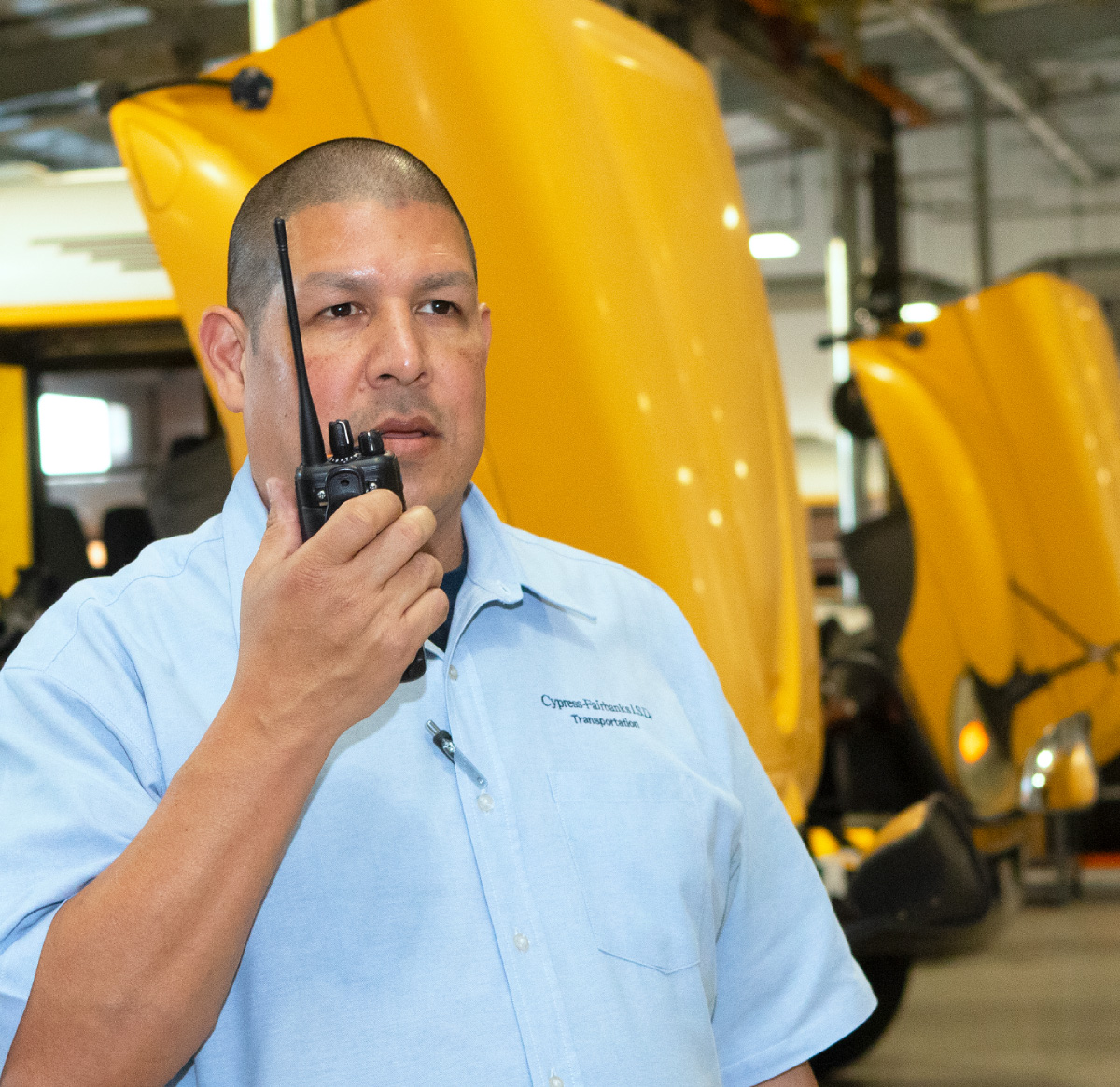
Two-way radios have remained an essential communication tool for decades—and for good reasons. For first responders, public safety agencies, utilities, and businesses, radios deliver immediacy, durability, and reliability that smartphones cannot match. Because radios do not allow users to speak and listen at the same time, clear and professional communication depends on proper radio etiquette.
When used correctly, two-way radios help teams communicate quickly, avoid confusion, and operate more efficiently, especially in critical or high-pressure situations.
Understand Your Radio and How It Works
Professional radio communication starts with knowing your equipment. Users should be comfortable with basic controls such as power, volume, channel selection, and the push-to-talk (PTT) button. Understanding how microphones, speakers, and accessories function ensures messages are sent and received clearly.
Pause Before You Speak
A simple but important habit is pausing briefly after pressing the PTT button before speaking. This short delay helps prevent the first words of a transmission from being cut off, ensuring the full message is heard.
Perform Routine Radio Checks
Before relying on a radio during daily operations or emergencies, users should confirm that it is working properly. Batteries should be charged, volume levels set appropriately, and signal strength verified—especially when operating in new locations. Regular radio checks help identify issues early and ensure reliable performance when communication matters most.
Identify Yourself and Use Standard Radio Language
Because radio channels are often shared, identifying yourself and your intended recipient at the start of a transmission helps avoid confusion. Call signs or names should be clear and consistent.
Using standard radio terminology also improves clarity and professionalism. Common phrases such as “affirmative,” “negative,” “copy,” “stand by,” and “over” help ensure messages are understood quickly. Many organizations also rely on established codes and the NATO phonetic alphabet to accurately communicate names, locations, and critical details.
Keep Messages Clear and Concise
Two-way radios are designed for short, efficient communication. Messages should be brief, focused, and limited to essential information. Thinking through a message before transmitting helps reduce unnecessary airtime.
When sharing important details, such as numbers, addresses, or instructions, repeating key information can help ensure accuracy and understanding.
Speak Clearly and Listen Carefully
Clear radio communication requires both speaking and listening. Users should speak at a normal volume, hold the microphone a few inches from their mouth, and pronounce words clearly. Shouting or whispering can distort audio quality.
Listening attentively is equally important. Always wait for others to finish speaking before transmitting and avoid interrupting unless it is an emergency.
Protect Sensitive Information
Radio transmissions are often monitored by multiple users. Sensitive or confidential information should only be shared on secure or encrypted channels when necessary. Use approved codes and exercise discretion to help protect privacy while maintaining effective communication.
Always Maintain Professionalism
Professional radio use means keeping conversations respectful and work focused. Personal chatter, offensive language, or unnecessary transmissions can interfere with important communication. Treating all users with respect helps maintain a professional and effective radio environment.
Proper radio etiquette plays a critical role in keeping communities safe and organizations operating efficiently. When users understand their equipment, follow established protocols, and communicate clearly, radio systems deliver the reliability they were designed to provide.
At GenComm, we design, install, and support communication systems built for clarity, security, and performance—helping teams stay connected when it matters most. Reach out to us today to learn more!